The Art of the Finishing Touch
Outfits are the foundation, but accessories are the elements that truly define a look. The right jewelry, handbag, shoes, or scarf can transform a simple ensemble into a polished statement, reflect your personal style, and ensure you are appropriately dressed for any event. Mastering accessorizing for different occasions is a key skill in developing a versatile and confident wardrobe. It's about understanding how to select pieces that complement your attire and suit the context of the event.
Foundational Principles for Successful Accessorizing
Before selecting specific items, consider the overarching context of the event. A thoughtful assessment of several factors will guide your accessory choices and prevent common style missteps.
Understanding the Event's Formality and Purpose
The nature of the occasion is the primary driver for accessory selection. A casual weekend brunch, a business meeting, a formal wedding, or an evening cocktail party each have distinct expectations. Always consider any stated dress codes, such as 'business casual,' 'cocktail attire,' or 'black tie.' These provide clear directives on the level of polish and type of accessories that are appropriate.
Venue and Time of Day Considerations
The setting and time also influence accessory choices. A large, practical tote might be suitable for a daytime business trip, while a small, elegant clutch is ideal for an evening gala. Similarly, lighter, brighter accessories often suit daytime events or warmer seasons, whereas richer textures and darker tones can complement cooler weather or evening affairs.
Key Accessory Categories and Their Impact
Each type of accessory plays a crucial role in completing an outfit. Choosing wisely ensures cohesion and enhances your overall presentation when accessorizing for different occasions.
Jewelry: Subtle Elegance or Bold Statement
Jewelry can range from minimalist pieces that add a touch of refinement to bold, eye-catching items that serve as focal points. For professional settings, understated pieces like stud earrings, a simple pendant necklace, or a classic watch are often preferred. For more relaxed or celebratory events, you might opt for statement necklaces, layered bracelets, or dramatic earrings. The metal finish (gold, silver, rose gold) and gemstone choices can also significantly alter the mood of the piece.
Handbags: Functionality Meets Style
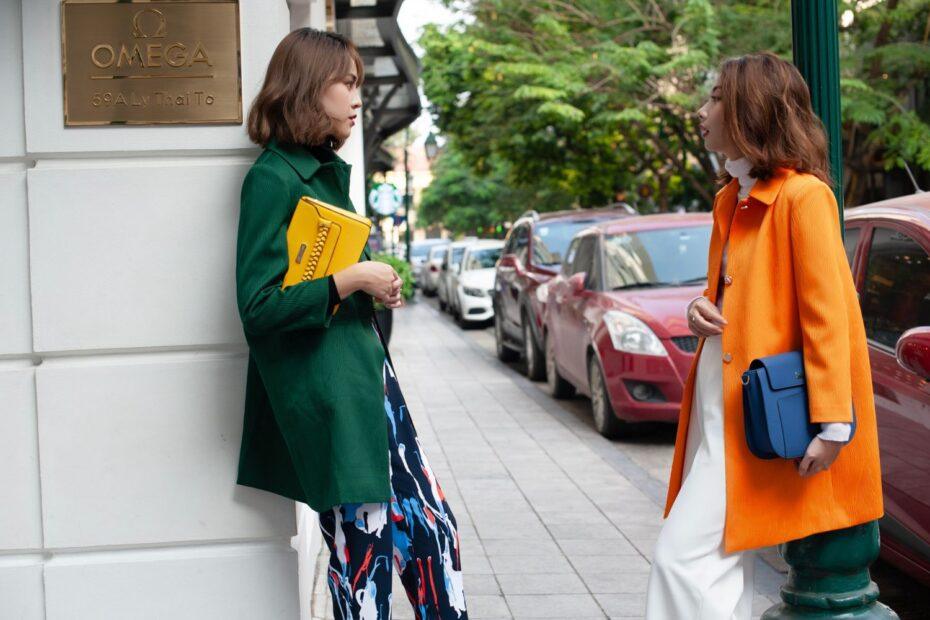
Your handbag should be both practical for the event's needs and aesthetically aligned with your outfit. For daily wear or casual outings, a crossbody bag, tote, or backpack offers convenience. For business environments, a structured leather tote or a sophisticated satchel is appropriate. Evening events typically call for smaller, more refined bags like clutches, wristlets, or mini shoulder bags. Consider the size, material, and color in relation to your ensemble.
Shoes: The Grounding Element
Shoes are critical for both comfort and style, anchoring your entire look. Casual events might accommodate stylish sneakers, comfortable flats, or block heels. Business environments often call for loafers, pumps, or elegant heeled boots. Semi-formal and formal occasions usually require dressier options such as stilettos, elegant sandals, or polished dress shoes. Ensure your footwear is in good condition and comfortable for the duration of the event.
Scarves, Belts, and Hats: Adding Personality
These accessories offer excellent opportunities to inject personality and polish. A silk scarf can add color and sophistication to a blouse, blazer, or coat. A well-chosen belt can define the waist and add structure to dresses, skirts, or trousers. Hats can be a stylish addition to outdoor events, seasonal outfits, or specific themed gatherings, but always consider the formality and appropriateness of wearing a hat indoors.
Occasion-Specific Styling Tips
Applying these principles to common scenarios can help refine your approach to accessorizing for different occasions.
Casual Outings
For everyday activities like running errands, meeting friends for coffee, or a relaxed weekend gathering, comfort and practicality are paramount. Pair your outfit with stylish sneakers, comfortable sandals, or ankle boots. A crossbody bag or a chic backpack works well. Simple jewelry, like hoop earrings or a delicate bracelet, adds a finishing touch without being overwhelming.
Business and Professional Settings
In the workplace, accessories should convey professionalism and competence. Opt for classic, high-quality pieces. A tailored blazer, sensible heels or polished flats, and a structured handbag are staples. Jewelry should be understated – think pearl earrings, a classic watch, or a subtle necklace. Avoid anything too flashy, noisy, or distracting.
Semi-Formal Events
Events like cocktail parties, dinner dates, or evening receptions allow for more creative expression. You can experiment with more elegant jewelry, perhaps a statement necklace or chandelier earrings. A sophisticated clutch or a small evening bag is appropriate. Heels, dressy flats, or elegant sandals complete the look. Consider richer fabrics and deeper colors for your accessories.
Formal Occasions
For black-tie events, galas, or formal weddings, accessories should be refined and luxurious. Think fine jewelry, possibly with gemstones or diamonds. A small, elegant evening bag or clutch is essential. Dress shoes, sophisticated heels, or formal dress boots are the standard. The key is to complement, not compete with, your formal attire.
Common Pitfalls to Avoid
While accessorizing offers creative freedom, certain missteps can detract from your overall look. Careful consideration is vital for successful accessorizing for different occasions.
- Over-accessorizing: Wearing too many pieces can make an outfit look cluttered and overwhelming. Aim for a few well-chosen items that work harmoniously.
- Mismatched Styles: Ensure your accessories align in terms of formality and aesthetic. A casual canvas tote does not typically pair well with a formal gown.
- Poor Fit or Condition: Accessories that are ill-fitting, broken, or worn out can undermine even the most stylish outfit. Ensure everything is in good repair.
- Ignoring Comfort: Shoes that pinch or jewelry that is too heavy can distract from your confidence and enjoyment of the occasion. Prioritize comfort alongside style.
Final Touches for Confidence
Accessorizing is an art that enhances your personal style and ensures you are appropriately dressed for any situation. By considering the event's formality, venue, and time, and by carefully selecting pieces from each accessory category, you can create polished, cohesive looks that boost your confidence. Experiment with different combinations, trust your instincts, and remember that the best accessories are those that make you feel your most authentic and put-together self. Mastering accessorizing for different occasions is a key step in developing a versatile and impactful personal style.
Related reading