
Understanding Sustainable Fashion
Building a sustainable fashion wardrobe involves making thoughtful decisions about the clothes we buy, wear, and care for. It's a shift from fast fashion's disposable culture to a more mindful approach that considers the environmental and social impact of our clothing. This means looking beyond trends and focusing on quality, longevity, and ethical production.
The fashion industry is a significant contributor to global pollution, water usage, and waste. By adopting sustainable practices, individuals can collectively reduce this impact. A sustainable wardrobe is not about deprivation but about making informed choices that benefit both people and the planet.
Key Pillars of a Sustainable Wardrobe
Creating an ethical and eco-friendly wardrobe rests on several core principles:
1. Conscious Consumption
The most sustainable garment is often the one already in your closet. Before buying new, consider:
- Assess Your Needs: Do you truly need this item, or is it an impulse purchase?
- Quality Over Quantity: Invest in well-made pieces that will last longer, reducing the need for frequent replacements.
- Timeless Style: Opt for classic designs that transcend seasonal trends, making them versatile and enduring.
2. Ethical Sourcing and Production
This pillar focuses on how and where your clothes are made:
- Fair Labor Practices: Support brands that ensure safe working conditions and fair wages for their employees. Look for certifications or transparent reporting on labor standards.
- Animal Welfare: Choose vegan materials or products from brands that adhere to high animal welfare standards, avoiding materials like conventional leather or fur.
3. Eco-Friendly Materials
The choice of fabric has a substantial environmental footprint:
- Natural Fibers: Organic cotton, linen, hemp, and Tencel (Lyocell) are generally more sustainable than conventional cotton or synthetic materials. Organic farming avoids harmful pesticides and uses less water.
- Recycled Materials: Fabrics made from recycled polyester (RPET), recycled cotton, or other reclaimed fibers reduce waste and the demand for virgin resources.
- Innovative Materials: Explore newer, sustainable materials like Piñatex (pineapple leaf fiber) or mushroom leather.
4. Durability and Care
Extending the life of your clothes is crucial for sustainability:
- Proper Washing: Wash clothes less frequently, use cold water, and opt for eco-friendly detergents. This saves energy and water, and is gentler on fabrics.
- Repair and Alteration: Learn basic mending skills or find a local tailor to fix zippers, buttons, or alter garments that no longer fit perfectly.
- Upcycling and Repurposing: Transform old garments into new items, such as turning worn-out jeans into shorts or a tote bag.
Practical Steps to Build Your Sustainable Wardrobe
Transitioning to a sustainable wardrobe can be a gradual process. Here’s how to get started:
Start with What You Have
Before purchasing anything new, conduct a wardrobe audit. Identify items you love and wear often, and those that are neglected. Consider how you can restyle existing pieces or repurpose those that are no longer functional.
Educate Yourself on Brands
Research brands that prioritize sustainability. Look for transparency in their supply chains, their material sourcing, and their labor practices. Many brands now highlight their ethical commitments on their websites.
Embrace Secondhand and Vintage
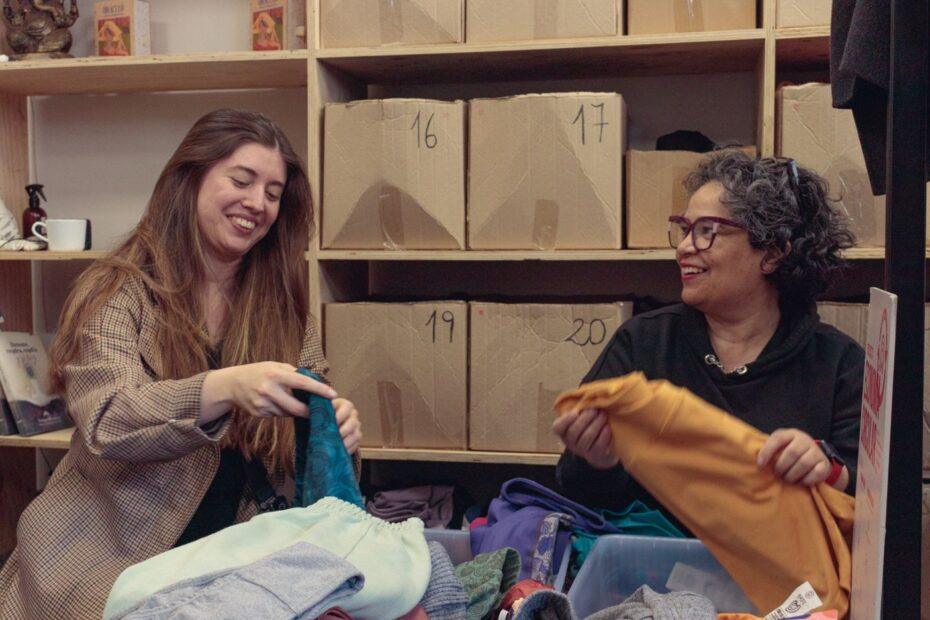
Thrift stores, consignment shops, and online marketplaces offer a treasure trove of pre-loved clothing. Buying secondhand is one of the most effective ways to reduce fashion waste and give garments a new life.
Invest in Versatile Staples
Focus on building a foundation of versatile, high-quality basics that can be mixed and matched to create numerous outfits. This reduces the need for trendy, single-use items.
Learn About Fabric Care
Understanding how to care for different fabrics can significantly extend their lifespan. For example, natural fibers often require different washing and drying methods than synthetics.
Consider Rental or Swapping
For special occasions or items you might only wear a few times, consider clothing rental services or organizing clothing swaps with friends. This provides access to variety without the commitment of ownership.
Limitations and Considerations
Building a sustainable wardrobe comes with its own set of considerations:
- Cost: Sustainable fashion can sometimes have a higher upfront cost due to ethical labor and eco-friendly material sourcing. However, the longevity of these items often makes them more cost-effective in the long run.
- Accessibility: Depending on your location, access to sustainable brands or secondhand options may be limited.
- Greenwashing: Be aware of brands that make misleading claims about their sustainability efforts. Look for concrete evidence and certifications rather than vague statements.
- Personal Style: Sustainability should align with your personal style and needs. It’s about making better choices within your existing preferences, not completely overhauling your identity.
By implementing these principles and practices, you can gradually build a fashion wardrobe that reflects your values, reduces your environmental footprint, and offers enduring style.
Related reading
- The Essential Guide to Fashion Fabrics: What You Need to Know for Smart Choices
- Creating a Timeless Look: Building a Wardrobe That Never Goes Out of Style