Understanding Smart Casual
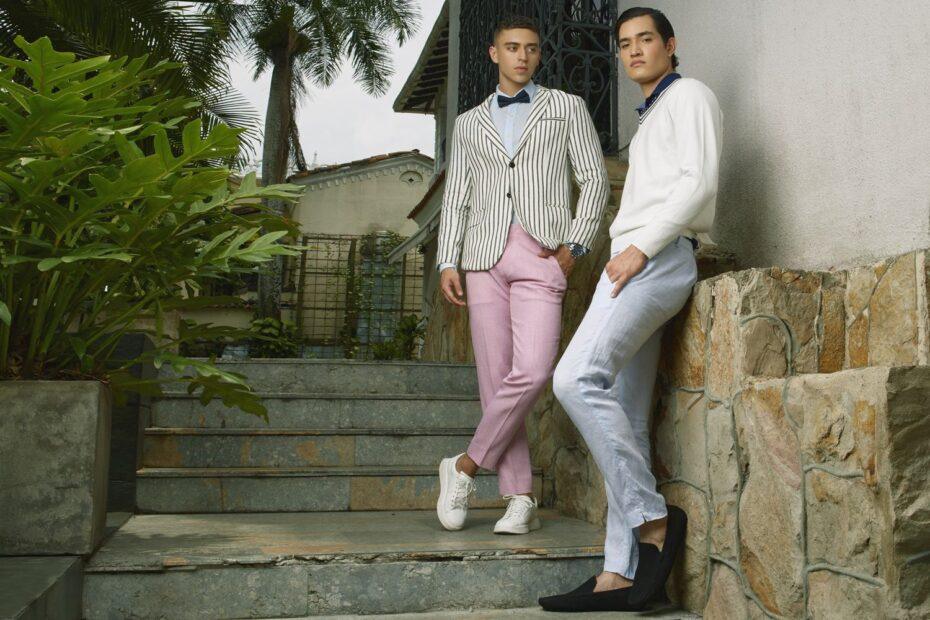
Smart casual represents a dress code that bridges the gap between formal business attire and relaxed everyday wear. It's about looking polished and put-together without being overly formal. The key is to strike a balance, ensuring you feel comfortable while projecting an image of sophistication. This dress code is highly adaptable, suitable for a wide range of occasions, from casual Fridays at the office to dinner dates, social gatherings, and even some semi-formal events.
The Core Principle: Comfort Meets Sophistication
At its heart, a smart casual wardrobe is built on pieces that offer both ease of wear and a refined aesthetic. This means choosing garments made from quality fabrics, with good tailoring, and in versatile colors and patterns. The goal is not to sacrifice comfort for style, but to find items that excel in both areas. Think of it as elevated everyday dressing where attention to detail makes a significant difference.
Essential Components of a Smart Casual Wardrobe
Building a functional smart casual wardrobe involves selecting versatile pieces that can be mixed and matched effectively. Here are the fundamental categories to consider:
Tops
- Well-fitting Shirts: Oxford cloth button-downs (OCBDs) in solid colors or subtle patterns are a cornerstone. Ensure they are ironed or steamed for a crisp look.
- Polo Shirts: A step up from a t-shirt, a good quality polo in a solid, neutral shade can be very effective.
- Quality T-shirts: Plain, well-fitting t-shirts made from premium fabrics (like Pima cotton) in neutral tones can work as a base layer or on their own in more relaxed smart casual settings.
- Sweaters: Crew neck, V-neck, or quarter-zip sweaters in merino wool, cashmere, or fine cotton add warmth and texture. Cardigans also serve this purpose well.
Bottoms
- Chinos: These are indispensable. Opt for slim or straight-fit chinos in colors like navy, grey, khaki, or olive.
- Dark Wash Jeans: A pair of well-fitting, dark-wash, selvedge denim jeans with no rips or excessive distressing can be dressed up for smart casual.
- Tailored Trousers: Wool or cotton trousers in classic patterns like subtle checks or pinstripes, or solid neutrals, offer a more polished alternative.
Outerwear
- Blazers: A versatile sport coat or blazer in a neutral color (navy, grey, charcoal) or a subtle texture (tweed, hopsack) instantly elevates an outfit. Unstructured blazers offer a more relaxed feel.
- Stylish Jackets: A well-fitting bomber jacket, a field jacket, or a Harrington jacket can be excellent smart casual outerwear options.
- Trench Coats and Mac Coats: For transitional weather, these provide a sophisticated layer.
Footwear
- Loafers: Penny loafers, bit loafers, or driving mocs in leather or suede are classic choices.
- Clean Sneakers: Minimalist leather or canvas sneakers in white, black, or neutral colors can work, provided they are kept clean and in good condition.
- Desert Boots/Chukka Boots: Suede or leather chukka boots offer a smart, casual, and comfortable option.
- Derbies/Brogues: More casual versions of these dress shoes can also fit the bill.
Accessories
Accessories are crucial for refining a smart casual look:
- Belts: A quality leather belt that complements your shoes.
- Watches: A classic wristwatch adds a touch of sophistication.
- Socks: Opt for dress socks or subtle patterned socks that complement your trousers or shoes.
- Pocket Squares: For blazers, a pocket square can add personality.
Putting It All Together
The art of smart casual lies in thoughtful combinations. A common formula is to pair a more formal item with a casual one. For instance, wear a blazer over a quality t-shirt with chinos and clean sneakers. Or, pair tailored trousers with a fine-knit sweater and loafers. Experiment with textures and layers to add depth to your outfits.
Fabric and Fit: The Unsung Heroes
Regardless of the specific items you choose, their fabric and fit are paramount. Opt for natural fibers like cotton, wool, linen, and cashmere, which drape well and feel comfortable. Pay close attention to fit: clothes that are too tight or too baggy detract from the polished appearance. Tailoring is your best friend; a minor alteration can make an off-the-rack item look custom-made.
When to Wear Smart Casual (and When Not To)
Smart casual is your go-to for many everyday situations: casual workplace environments, relaxed business meetings, dates, dinners, weekend brunches, and informal social events. However, it is generally not appropriate for very formal occasions like black-tie events, weddings (unless specified), or traditional business settings that require suits.
Building a smart casual wardrobe is an ongoing process. Focus on acquiring versatile, high-quality pieces that fit well and reflect your personal style. By mastering the balance between comfort and sophistication, you'll be well-equipped for a multitude of social and professional scenarios.
Related reading
- How to Choose Athleisure Wear That Looks Stylish and Feels Comfortable
- Creating a Timeless Look: Building a Wardrobe That Never Goes Out of Style
- Styling Tips for Inverted Triangle Figures: Balancing Shoulders and Hips