What Are Body Shapes?
Understanding body shapes is a foundational concept in fashion and personal styling. It refers to the general outline of your body, often categorized by the relative proportions of your bust, waist, and hips. Recognizing your body shape isn't about fitting into rigid boxes, but rather about identifying your natural proportions to make informed clothing choices that flatter your figure, enhance your confidence, and simplify your wardrobe decisions.
The goal is to create balance and highlight your best features. When you dress in a way that complements your shape, you'll often find that clothes fit better, feel more comfortable, and present a more harmonious overall look. It’s about working with your body, not against it.
Common Body Shape Categories
While everyone is unique, common body shape archetypes can help you understand your proportions. These are general guidelines and many people fall somewhere in between or have characteristics of more than one shape.
Hourglass
The hourglass figure is characterized by a well-defined waist that is significantly narrower than both the bust and hips, which are roughly in proportion to each other. Curves are typically balanced between the upper and lower body.
Pear (or Triangle)
This shape features hips that are wider than the bust and shoulders. The waist is usually well-defined. The lower body carries more weight or width than the upper body.
Apple (or Inverted Triangle)
The apple shape typically has a fuller midsection, with the bust often being the widest part of the body. Shoulders may be broad, and the waist is less defined than the hips. The lower body is often narrower than the upper body.
Rectangle (or Straight)
A rectangle shape has bust, waist, and hip measurements that are relatively similar. There is less difference between the waist and hip measurements, creating a more straight or athletic silhouette.
Tips for Finding Your Body Shape
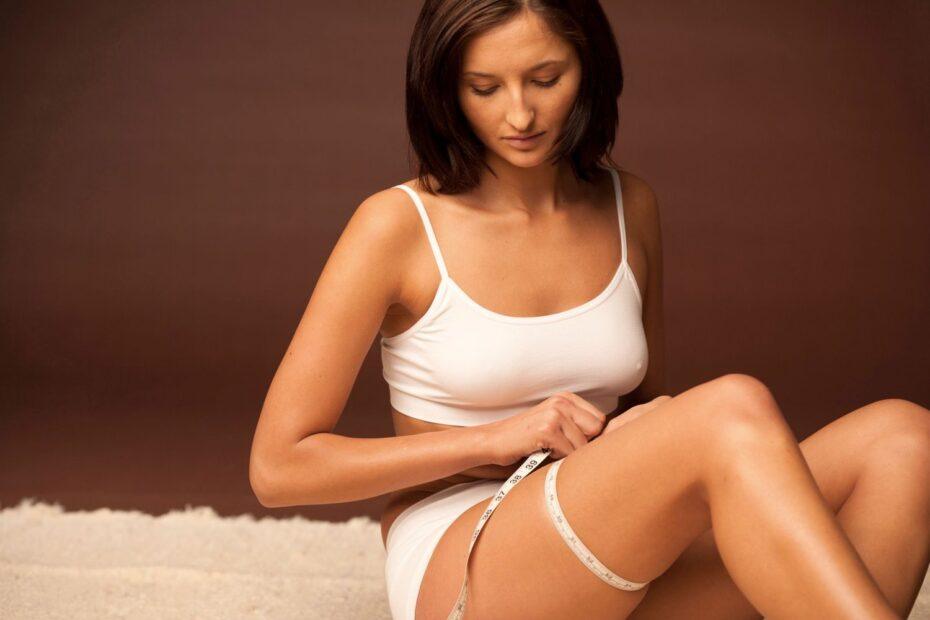
To determine your shape, stand in front of a mirror in form-fitting clothing or swimwear. You can also measure your bust, waist, and hip circumference. Consider the following:
- Bust vs. Hips: Are your hips wider than your bust, or vice versa? Are they roughly the same width?
- Waist Definition: Is your waist clearly defined and significantly smaller than your bust and hips, or is it more straight?
- Overall Proportions: Where do you tend to carry most of your weight or volume? Is it balanced, or concentrated in the upper body, lower body, or midsection?
Don't get too hung up on precise measurements; focus on the overall visual impression and where your body's natural curves and lines lie.
Finding Flattering Silhouettes for Each Shape
Once you have a general idea of your body shape, you can explore silhouettes that enhance your natural features and create balance.
For the Hourglass Figure
The hourglass shape is naturally balanced. The key is to highlight your defined waist without adding unnecessary bulk.
- Waist-Defining Styles: Wrap dresses, belted tops and dresses, peplum tops, and high-waisted skirts or trousers will accentuate your waist.
- Fitted Silhouettes: Tailored pieces that follow your natural curves, such as sheath dresses or slim-fit trousers, look fantastic.
- Necklines: V-necks, scoop necks, and sweetheart necklines can beautifully frame the bust.
- Avoid: Overly baggy or shapeless clothing that can hide your waist and make you appear larger than you are.
For the Pear (Triangle) Figure
The goal for a pear shape is to balance wider hips with the upper body and draw attention upwards.
- Emphasize the Upper Body: Opt for tops with details like ruffles, embellishments, or bold prints. Boat necks, off-the-shoulder styles, and wide lapels can broaden the shoulders.
- A-Line Skirts and Dresses: These skim over the hips and thighs, creating a smooth line.
- Fitted Tops: Wear tops that fit well at the bust and waist to create a balanced look.
- Trouser Styles: Straight-leg, bootcut, or wide-leg trousers can balance out hip width.
- Avoid: Tight, clingy skirts or trousers that draw attention to the widest part of the hips.
For the Apple (Inverted Triangle) Figure
For an apple shape, the focus is on creating waist definition and balancing broader shoulders.
- Create a Waistline: Empire-waist tops and dresses, or A-line styles that skim away from the midsection, are excellent choices. Wrap styles can also create definition.
- V-Necks and Scoop Necks: These necklines can help elongate the torso and draw attention downwards.
- Straight-Leg or Bootcut Trousers: These can help balance broader shoulders.
- Structured Jackets: Jackets that nip in slightly at the waist can be flattering.
- Avoid: Tight, body-hugging styles around the waist or tops with excessive shoulder padding or details that add width to the upper body.
For the Rectangle Figure
The rectangle shape can create curves and definition by adding volume or shape where desired.
- Create Curves: Peplum tops, ruffled blouses, and skirts with volume (like A-line or gathered styles) can add the illusion of curves.
- Define the Waist: Belts worn over dresses or tops, or wrap styles, can create a more defined waist.
- Layering: Layering can add dimension and shape.
- Necklines: Sweetheart, scoop, or V-necklines can add feminine curves.
- Avoid: Very boxy or straight-cut garments that can make the silhouette appear even straighter.
General Styling Principles for Confidence
Beyond specific body shapes, several universal principles can enhance any silhouette:
- Fit is Key: Clothes that fit well are always more flattering than ill-fitting ones, regardless of shape.
- Fabric Choice: Structured fabrics can provide shape, while draping fabrics can skim the body.
- Proportion Play: Balance is crucial. If you have volume on top, consider a slimmer bottom, and vice versa.
- Vertical Lines: Details like V-necklines, button-down shirts, or well-placed seams can create a lengthening effect.
- Highlight Your Assets: Focus on what you love about your body and choose styles that draw attention there.
Limitations and Personal Style
It's important to remember that body shape categorization is a tool, not a rulebook. Personal style, comfort, and confidence are paramount. These guidelines are meant to empower you to make choices that make you feel great. Experimentation is encouraged; what works for one person might not work for another, even within the same shape category. The most flattering outfit is always one that makes you feel your best.
Related reading