The Power of Thoughtful Accessory Pairings
Your everyday outfits form the canvas of your personal style. While well-chosen clothing is foundational, it's often the thoughtful selection and pairing of accessories that truly elevates a look from functional to fashionable. Accessories are not mere afterthoughts; they are potent tools that can transform a simple ensemble into a statement, add personality, and refine your overall presentation. Mastering the art of accessory pairings can make a significant difference in how you feel and how you are perceived, all without needing an entirely new wardrobe.
This guide explores practical strategies for integrating accessories to enhance your daily style, focusing on how to pair them effectively with your existing clothing to create cohesive and impactful outfits.
Understanding Your Base Outfit
Before diving into accessory choices, it's crucial to assess the base outfit. Consider the color palette, fabric textures, and the overall silhouette of your clothing. Accessories should complement these elements, not compete with them. A busy, multi-patterned outfit might call for minimalist accessories, while a solid, neutral ensemble can handle bolder, more decorative pieces.
Think about the occasion and the desired impression. Are you aiming for casual chic, professional polish, or something more artistic? Your base outfit provides the context for your accessory choices.
Key Accessory Categories and Pairing Strategies
Several categories of accessories offer versatile opportunities for elevation:
Jewelry: The Subtle Enhancers
Jewelry is perhaps the most accessible way to add personality. The key is balance.
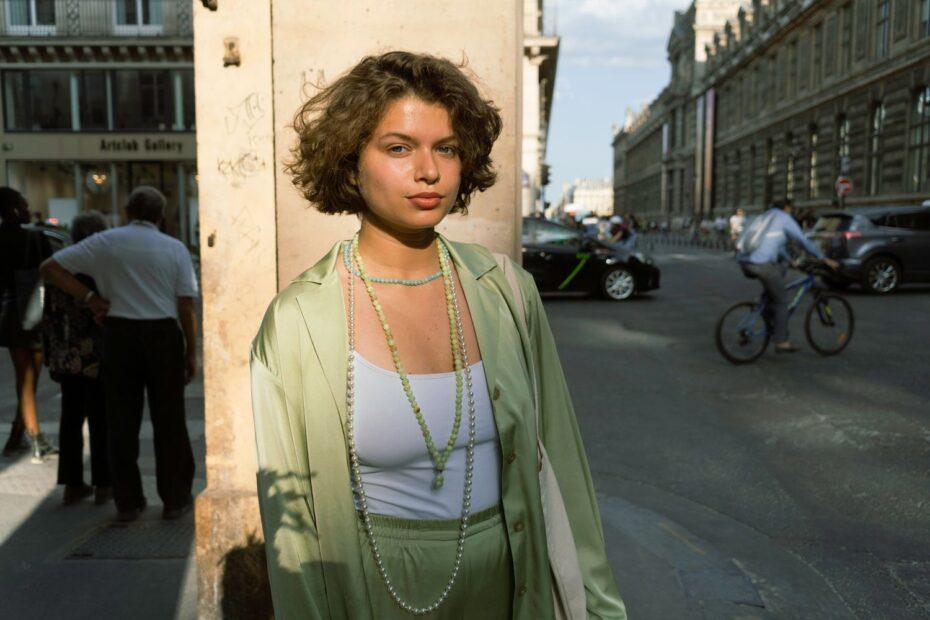
- Necklaces: A simple pendant can draw attention to your neckline, while a statement piece can become the focal point of an outfit, especially when paired with a solid-colored top or dress. Consider the neckline of your garment: V-necks often pair well with pendant necklaces, while crew necks might suit layered delicate chains or a single bold piece.
- Earrings: From subtle studs to dramatic chandeliers, earrings frame the face. Studs are versatile for everyday wear, while hoops or dangly earrings can add a touch of flair. Match the metal tone of your earrings to other jewelry or hardware on your bag for a cohesive look.
- Bracelets and Rings: A stack of bangles can add texture and sound to a simple outfit, while a classic watch or a few delicate rings can offer understated elegance. Ensure they don't feel too heavy or distracting for your daily activities.
Scarves: Versatility in Fabric and Pattern
Scarves are incredibly adaptable and can instantly change the mood of an outfit.
- Silk or Satin Scarves: Tied around the neck, wrist, or handbag, these add a touch of luxury and color. A vibrant print can liven up a neutral coat or blazer.
- Knit or Wool Scarves: These provide warmth and texture, perfect for cooler weather. A chunky knit scarf can add a cozy, bohemian vibe to a simple sweater and jeans.
- Styling Tip: When wearing a patterned scarf, try to pick out one or two colors from the pattern to echo in your clothing or other accessories for a pulled-together look.
Bags: Function Meets Fashion
Your handbag is both a practical necessity and a significant style element.
- Tote Bags: Ideal for everyday use, a structured tote in a classic color like black, tan, or navy offers polish. A tote in a bolder color or interesting texture can make a statement.
- Crossbody Bags: These offer convenience and a more casual feel. They can add a pop of color or a metallic sheen to an otherwise simple outfit.
- Clutches: While often associated with evening wear, smaller clutches or wristlets can add a chic touch to daytime looks, especially for brunch or shopping.
- Pairing: Consider the material and color of your bag in relation to your shoes and belt. While matching isn't always necessary, coordinating tones or materials creates a harmonious effect.
Belts: Defining Silhouettes
A belt can redefine your shape and add detail to an outfit.
- Waist-Cinching: A belt worn over a dress, tunic, or oversized shirt can create a more defined waistline, adding structure and polish.
- Color and Texture: A belt in a contrasting color can draw attention to your waist, while a belt in a complementary shade offers subtle enhancement. Consider belts with interesting buckles for added visual interest.
- Pairing: A classic leather belt often pairs well with tailored trousers or jeans, while a fabric or woven belt might suit a more relaxed, bohemian style.
Putting It All Together: Cohesion and Balance
The goal of accessory pairings is to create a harmonious and intentional look. Here are some general principles:
- Consider the Occasion: Loungewear might call for simple, comfortable accessories, while a professional meeting demands more refined choices.
- Balance is Key: If you're wearing a statement necklace, opt for simpler earrings and bracelets. If your outfit is very simple, you might be able to wear more prominent accessories.
- Color Coordination: Aim for complementary colors or a monochromatic scheme. You don't need to match everything exactly, but the colors should work together.
- Texture Play: Mixing textures can add depth. For example, a leather belt with a silk blouse and a woven bag.
- Don't Overdo It: Sometimes, less is more. Choose a few key pieces that enhance your outfit rather than overwhelming it.
Limitations and Considerations
While accessories are powerful, their effectiveness depends on context and personal style. Over-accessorizing can detract from your outfit, making it look cluttered or fussy. Conversely, under-accessorizing can leave an outfit feeling unfinished. The 'right' pairings are subjective and depend on individual taste, body shape, and the specific items being worn.
It's also important to consider the quality of your accessories. Well-made pieces, even if fewer in number, often have a greater impact than a large collection of low-quality items. Investing in a few versatile, high-quality accessories can pay dividends in elevating your everyday wardrobe for years to come.
Related reading
- Effortless Day-to-Night Wardrobe Transitions: Quick Style Updates
- The Ultimate Guide to Choosing Handbags That Complement Your Outfit and Lifestyle