The Unseen Influence of Fabric Texture
When building an outfit, we often focus on color, silhouette, and fit. However, the fundamental characteristic of the fabric itself – its texture – plays a profound role in how a garment looks, feels, and ultimately, how it contributes to our overall style. Texture refers to the surface quality of a material, encompassing both its visual appearance and its tactile sensation. Understanding these textural elements can elevate your fashion choices, allowing for more intentional and impactful dressing.
Understanding Fabric Textures
Fabric textures are determined by the fibers used, the way they are spun into yarn, and the method of weaving or knitting. These processes create distinct surface characteristics that can be broadly categorized.
Visual Texture vs. Tactile Texture
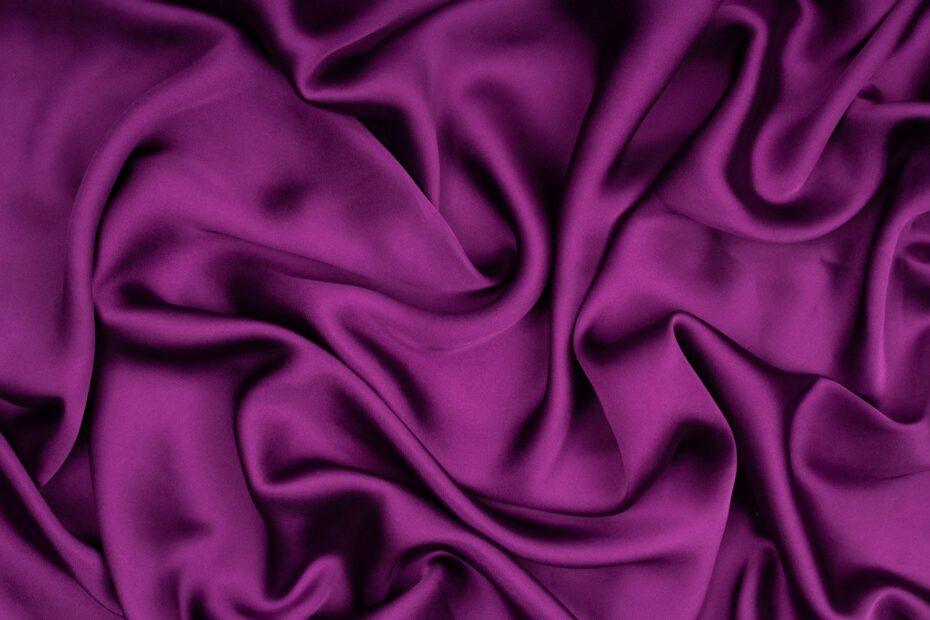
It's important to distinguish between how a fabric looks and how it feels. Visual texture is what we perceive with our eyes. A fabric might appear visually rough due to its weave (like tweed) or smooth and lustrous (like silk). Tactile texture, on the other hand, is what we feel when we touch the fabric. This can range from the soft fuzziness of cashmere to the crispness of linen or the cool slickness of satin.
Key Texture Characteristics
Fabrics can be described by a range of characteristics:
- Smooth: Characterized by a flat, even surface, often with a sheen. Examples include silk, satin, and fine cotton poplin.
- Rough: Features an uneven, irregular surface. Think of tweed, boucle, corduroy, or raw silk.
- Shiny/Lustrous: Reflects a significant amount of light, creating a gleam. Examples include satin, silk, metallic threads, and patent leather.
- Matte: Absorbs light rather than reflecting it, giving a duller, non-reflective finish. Examples include linen, wool flannel, and most cottons.
- Crisp: Stiff and holds its shape well, often with a slight rustle. Linen, organza, and some crisp cottons fall into this category.
- Soft: Yielding and pliable, often with a plush or fuzzy feel. Examples include velvet, cashmere, fleece, and brushed cotton.
- Heavy: Dense and substantial, often with a significant weight. Wool gabardine, denim, and heavy knits are examples.
- Light: Fine, airy, and often sheer or semi-sheer. Chiffon, organza, and lightweight cotton voile fit here.
How Textures Influence Outfit Appearance
The surface quality of a fabric directly impacts how a garment is perceived visually.
Drape and Silhouette
Texture dictates how a fabric hangs or drapes. Lightweight, fluid fabrics like silk chiffon or rayon tend to flow and create soft, cascading silhouettes. Stiffer, heavier fabrics like wool gabardine or heavy cotton canvas will hold their shape, creating more structured and defined silhouettes. The drape influences the overall shape and volume of an outfit.
Light Reflection and Sheen
Shiny textures reflect light, making colors appear brighter and garments more eye-catching. This can add a sense of luxury and formality. Matte textures absorb light, creating a softer, more subdued appearance. This can make colors appear deeper and richer, and the garment feel more casual or understated.
Depth and Dimension
Textured fabrics, especially those with raised surfaces like corduroy, velvet, or tweed, add visual depth and dimension. These surfaces create shadows and highlights, giving the garment a richer, more complex appearance than a flat, smooth fabric. This can make an outfit feel more sophisticated and visually interesting.
Perceived Formality and Casualness
Certain textures are inherently associated with different levels of formality. Smooth silks, fine wools, and crisp cottons often lend themselves to more formal or polished looks. Conversely, slubby linens, worn denim, chunky knits, and soft fleeces tend to be perceived as more casual and relaxed.
How Textures Influence Outfit Feel
Beyond appearance, fabric texture significantly affects comfort and the sensory experience of wearing clothes.
Comfort and Wearability
The tactile feel of a fabric is paramount to comfort. Soft, smooth fabrics like cashmere or brushed cotton feel pleasant against the skin. Rougher textures, like coarse wool or certain synthetic weaves, might be less comfortable for prolonged wear unless layered appropriately. The interaction of a fabric's texture with movement and body heat further influences its wearability throughout the day.
Related reading
- Mastering the Art of Layering Different Fabrics for Chic Winter Ensembles
- The Importance of Fit: Tailoring Your Clothes for a Perfect and Polished Appearance
- How to Choose Athleisure Wear That Looks Stylish and Feels Comfortable