The Power of First Impressions
When you walk into a job interview, you have a limited window to make a positive first impression. While your skills and experience are paramount, your attire plays a significant role in how you are perceived. Dressing appropriately signals respect for the interviewer, the company, and the opportunity itself. It demonstrates that you understand professional norms and have taken the time to present yourself thoughtfully. This guide focuses on selecting the right job interview attire to project confidence and competence.
Researching Company Culture
The ideal interview outfit is not one-size-fits-all. Before selecting your attire, it's crucial to research the company's culture and industry. A tech startup might have a more casual dress code than a traditional law firm or financial institution. Look at the company's website, social media profiles, or even LinkedIn pages of employees to gauge the typical work environment. When in doubt, it is always safer to err on the side of being slightly more formal than too casual.
Core Principles of Professional Interview Attire
Regardless of the specific industry, certain principles apply to most job interview settings. These core elements help ensure your appearance supports your qualifications rather than distracting from them.
1. Cleanliness and Fit
Impeccable grooming and a well-fitting outfit are non-negotiable. Ensure your clothes are clean, pressed, and free from wrinkles, stains, or tears. Garments that are too tight, too loose, or ill-fitting can convey a lack of attention to detail or confidence. Invest in tailoring if necessary; a suit that fits perfectly will always look more professional than an expensive one that doesn't.
2. Color Palette
Neutral and conservative colors are generally the safest choice for job interviews. These include navy, charcoal gray, black, and white or light blue for shirts. These colors are classic, professional, and unlikely to offend. Avoid overly bright or distracting colors, busy patterns, or anything that might draw undue attention away from your conversation.
3. Fabrics and Materials
Opt for high-quality, natural-looking fabrics. Wool, cotton, and blends that mimic natural textures tend to look more professional than synthetic materials that can appear shiny or cheap. Ensure fabrics are breathable and comfortable, as you don't want to be distracted by discomfort during the interview.
4. Modesty and Professionalism
Your outfit should be professional and modest. This means avoiding revealing clothing, such as low-cut tops, very short skirts, or sheer fabrics. Ensure hemlines are appropriate and that there is no excessive cleavage or exposed midriff. The goal is to project competence and seriousness.
Building Your Interview Wardrobe
Here are some common interview outfit components, adaptable to different professional levels:
For Men
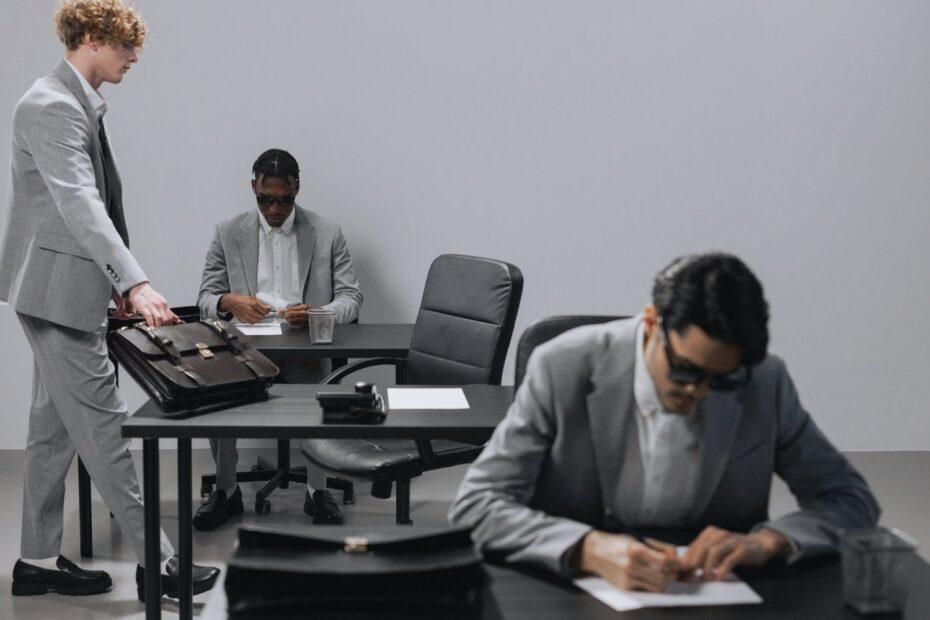
- Suit: A well-fitted, two-piece suit in navy or charcoal gray is a versatile choice.
- Shirt: A long-sleeved, collared dress shirt in white or light blue.
- Tie: A conservative tie with a subtle pattern or solid color. Ensure it complements your suit and shirt.
- Shoes: Polished leather dress shoes (oxfords, loafers) in black or brown.
- Socks: Dark, solid-colored socks that match your trousers.
- Belt: A leather belt that matches your shoes.
For Women
- Suit or Separates: A tailored pantsuit or skirt suit in navy, charcoal, or black. Alternatively, a conservative dress with a coordinating blazer or cardigan. If wearing a skirt, ensure it is knee-length or slightly longer.
- Blouse or Top: A professional blouse or shell in a neutral color or subtle pattern. Avoid sheer fabrics or low necklines.
- Shoes: Closed-toe pumps or professional flats in a neutral color. Ensure they are comfortable and polished.
- Hosiery: If wearing a skirt or dress, neutral or sheer hosiery is often recommended in more formal settings.
Accessories
Keep accessories minimal and professional. For men, this might include a classic watch and a simple tie clip. For women, subtle jewelry, a professional watch, and a structured handbag or briefcase are appropriate. Ensure any perfume or cologne is used sparingly, if at all.
Specific Scenarios and Considerations
Casual or Creative Industries
If you are interviewing in a more casual industry like tech or a creative field, the dress code might be more relaxed. However, it's still important to present yourself professionally. Consider smart casual attire: dark wash, well-fitting jeans or chinos, a button-down shirt or a polished sweater, and clean, stylish shoes. Even in these environments, avoiding T-shirts, ripped clothing, or overly casual footwear is advisable. When in doubt, ask the recruiter about the typical dress code.
Formal or Corporate Environments
In traditional corporate settings, finance, law, or government, a full suit is almost always expected. For men, this means a matching jacket and trousers with a dress shirt and tie. For women, a pantsuit or skirt suit is standard, often paired with a conservative blouse. Pay close attention to the details: polished shoes, neat hair, and minimal accessories are key.
Common Pitfalls to Avoid
Certain choices can detract from your professional image. Steer clear of:
- Wrinkled, stained, or ill-fitting clothing.
- Overly casual items like athletic wear, flip-flops, or graphic tees.
- Excessive jewelry, strong perfumes or colognes.
- Distracting hairstyles or heavy makeup.
- Visible tattoos or piercings, depending on the industry and company culture (research is key here).
Choosing the right job interview attire is an investment in your professional presentation. By focusing on fit, cleanliness, appropriate colors, and respecting the company culture, you can create a polished look that complements your qualifications and helps you make a memorable, positive impression.