
Understanding Social Dress Codes
Navigating the world of social events often involves deciphering a set of unspoken (or sometimes explicitly stated) rules regarding attire. Knowing how to dress appropriately for different occasions is key to feeling confident, showing respect for the host and the event, and making a positive impression. From casual gatherings to formal celebrations, each event has its own expectations.
Common Dress Code Categories Explained
Dress codes can range widely, but most fall into several well-defined categories. Understanding these will help you make informed choices.
Casual
This is the most relaxed dress code, suitable for informal gatherings, everyday outings, or relaxed social events. It emphasizes comfort and personal style. Think well-fitting jeans or chinos, t-shirts, casual shirts, sweaters, and comfortable footwear like sneakers or casual boots.
Smart Casual
Smart casual strikes a balance between relaxed and polished. It's a step up from everyday casual, suggesting a more put-together appearance. For men, this might mean dark-wash jeans or dress trousers, a button-down shirt or a smart polo shirt, and possibly a blazer or a neat sweater. For women, it could involve tailored trousers or a skirt, a stylish blouse or top, a dress, and smart flats, heels, or fashionable boots. The key is to look neat and intentional.
Business Casual
Often seen in professional settings or more formal daytime events, business casual is about looking professional yet comfortable. Men might wear dress pants or chinos, a collared shirt (button-down or polo), and a blazer or sport coat. Ties are usually optional. Women can opt for dress pants or a skirt, a blouse or a smart knit top, and a blazer or cardigan. Closed-toe shoes are standard.
Cocktail Attire
This dress code is common for evening parties, weddings, and holiday celebrations. It calls for a more festive and sophisticated look than business casual. For women, this typically means a knee-length or midi dress, a stylish skirt and top combination, or elegant trousers. For men, a dark suit with a tie is appropriate, or a sport coat with dress pants and a tie for less formal cocktail events.
Semi-Formal / Black Tie Optional
Semi-formal events are less rigid than full formal wear but more dressed up than cocktail attire. For men, a dark suit and tie are generally expected. For women, this can be a long evening dress, a formal cocktail dress, or an elegant pantsuit. 'Black Tie Optional' gives guests the choice: men can wear a tuxedo or a dark suit, and women can choose between a floor-length gown or a sophisticated cocktail dress.
Formal / Black Tie
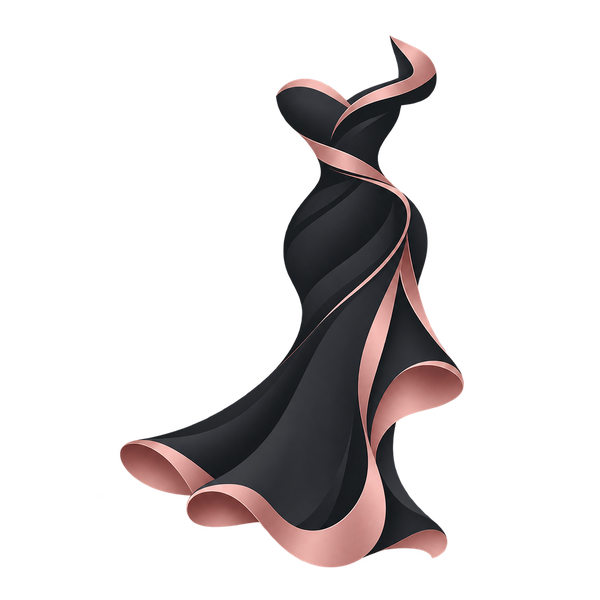
This dress code signifies a high level of elegance, typically for evening galas, formal weddings, or significant ceremonies. For men, a tuxedo with a black bow tie is standard. For women, a floor-length evening gown is the most appropriate choice.
White Tie
White tie is the most formal dress code. For men, it requires a black tailcoat, white pique vest, white bow tie, and formal trousers. For women, a full-length, very formal evening gown is expected, often with gloves.
Navigating the Nuances
While categories provide a framework, context is crucial.
Consider the Event Type and Host
A wedding has different expectations than a birthday party, even if both are labeled 'cocktail'. The host's personal style and the specific nature of the event (e.g., a charity gala versus a casual dinner party) can also offer clues.
Time of Day and Venue Matter
Daytime events are often less formal than evening ones. A beach wedding will have a different dress code than a ballroom reception. Consider the location – an outdoor event might require different footwear or layers than an indoor one.
When in Doubt, Elevate
If you're unsure about a dress code, it's generally safer to err on the side of being slightly more dressed up than too casual. You can often adjust by removing a jacket or tie, or by choosing simpler accessories, to blend in if you find you've over-dressed.
Key Considerations for Any Occasion
Beyond specific dress codes, remember these universal tips:
- Fit and Condition: Ensure your clothes fit well and are clean, pressed, and in good repair.
- Comfort: While looking good is important, being comfortable allows you to enjoy the event.
- Personal Style: Adapt dress codes to reflect your personality while respecting the occasion.
- Weather Appropriateness: Dress for the elements, especially for outdoor events.
- Cultural Sensitivity: Be mindful of cultural norms and religious considerations if attending events in different communities.
By understanding these dress codes and considering the context, you can confidently choose attire that is both appropriate and stylish for any social occasion.