Start Your Secondhand Shopping Adventure
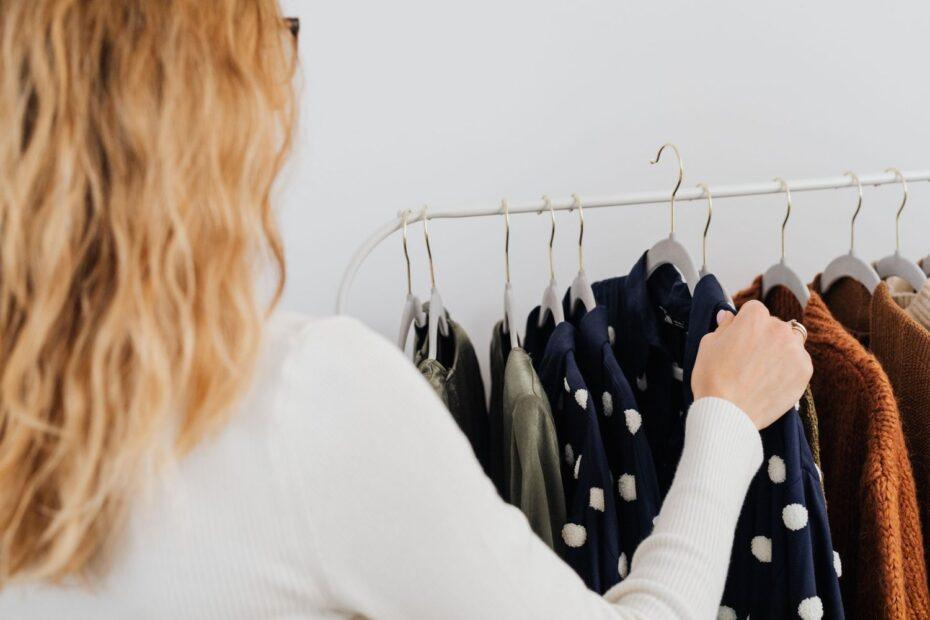
Secondhand shopping, also known as thrifting or pre-loved fashion, offers a compelling alternative to fast fashion. It's a way to discover unique pieces, save money, and contribute to a more sustainable wardrobe. For newcomers, the prospect of navigating racks of clothing or endless online listings can seem daunting. However, with a few key strategies, beginners can transform their secondhand shopping experience from overwhelming to exhilarating, uncovering true fashion treasures.
Why Embrace Secondhand Fashion?
The appeal of secondhand shopping extends beyond just finding a bargain. It's a conscious choice that benefits both your wallet and the planet. Each pre-owned item you purchase gives it a new life, diverting it from landfills and reducing the demand for new production, which is often resource-intensive. Furthermore, secondhand stores and platforms are goldmines for unique, vintage, or designer pieces that are no longer available in mainstream retail, allowing for the creation of a truly individual style.
Where to Begin Your Secondhand Journey
The landscape of secondhand shopping is diverse, offering various avenues to explore. Understanding these options can help you tailor your search to your preferences and needs.
Physical Thrift Stores and Charity Shops
These are the classic destinations for secondhand finds. Stores like Goodwill, Salvation Army, or local charity boutiques are often volunteer-run and sell donated items. Inventory varies wildly, so frequent visits and a good dose of patience are key. Look for:
- Organized Sections: Many stores group items by type (dresses, shirts, pants) and sometimes by size.
- Clearance Racks: These often hold the deepest discounts.
- Less Crowded Times: Weekday mornings can be less hectic, offering a more relaxed browsing experience.
Consignment Stores
Consignment shops operate differently: they sell items on behalf of the owner and take a percentage of the sale. These stores typically curate their selections, meaning you're more likely to find higher-quality, designer, or contemporary pieces. The prices might be higher than traditional thrift stores, but often significantly lower than retail for the same items.
Vintage Boutiques
For those seeking specific retro styles or historical fashion, vintage boutiques are the place to go. They specialize in clothing from particular eras (e.g., 1950s, 1970s, 1990s) and are often carefully selected for their condition and authenticity. These can be pricier but offer unparalleled authenticity.
Online Secondhand Marketplaces
The digital realm has revolutionized secondhand shopping. Platforms like eBay, Poshmark, Depop, ThredUp, and The RealReal offer vast selections accessible from home. Each platform has its own niche:
- eBay: A broad marketplace for almost anything, including vintage and designer clothing, often through auctions.
- Poshmark & Depop: Social marketplaces where individuals sell their own clothing, often featuring trendy and unique items.
- ThredUp: An online consignment store that processes donations and sells them, similar to a large thrift store online.
- The RealReal: Specializes in authenticated luxury and designer resale.
When shopping online, pay close attention to detailed descriptions, measurements, and seller reviews for a successful secondhand shopping experience.
Tips for Successful Secondhand Shopping
Navigating the world of pre-owned fashion requires a strategic approach. Here are practical tips to help you find the best items during your secondhand shopping endeavors:
Know Your Measurements
Sizing can vary significantly between brands and eras. Don't rely solely on the size tag. Always check the garment's actual measurements (bust, waist, hips, inseam, length) and compare them to your own or to a well-fitting item you already own. This is especially crucial when buying online.
Inspect Items Thoroughly
Before committing, carefully examine each piece for flaws. Look for:
- Stains: Check underarms, collars, and hems.
- Holes and Tears: Inspect seams, pockets, and fabric for wear.
- Missing Buttons or Zippers: Ensure all closures are present and functional.
- Fabric Condition: Look for pilling, fading, or thinning in the material.
Shop with a List (But Be Open to Surprises)
Having an idea of what you're looking for – a specific type of jacket, a pair of jeans, or an evening dress – can help focus your search. However, be open to discovering items you weren't expecting. Some of the best secondhand finds are those that catch your eye unexpectedly.
Think About Alterations
A garment that's almost perfect can often be made ideal with minor alterations. A good tailor can work wonders with fit issues, replace buttons, or shorten hems. Factor the potential cost of alterations into your purchase decision.
Be Patient and Persistent
Secondhand shopping is often a treasure hunt. You might not find what you're looking for on your first visit or search. The key is consistency. The more you shop, the better you'll become at spotting potential gems and understanding what each store or platform has to offer.
Develop Your Eye for Quality
Over time, you'll learn to identify well-made garments. Look for natural fabrics like cotton, wool, silk, and linen. Pay attention to the construction: sturdy seams, quality lining, and durable zippers are good indicators of a garment that will last.
Limitations and Considerations
While rewarding, secondhand shopping isn't without its challenges. The most significant limitation is the unpredictability of inventory; you can't guarantee you'll find specific items. Hygiene is also a consideration; always wash secondhand clothing before wearing it. For some, the time investment required to sift through items can be a barrier. Finally, while many items are in excellent condition, some may require repairs or cleaning, adding to the overall cost and effort.
By approaching secondhand shopping with an open mind, a little preparation, and a keen eye, beginners can successfully unearth unique, high-quality fashion treasures that elevate their style while making a positive impact.
Related reading
- Understanding Basic Fashion Terminology: A Glossary for the Savvy Shopper
- Exploring Vintage Fashion Finds: Incorporating Retro Pieces into Modern Outfits
- Understanding Fabric Care: Preserving the Quality and Longevity of Your Favorite Clothes