The world of fashion is rich with specific language, from the types of fabrics used to the cuts and styles of garments. Understanding these terms can transform your shopping experience, allowing you to communicate your preferences more effectively, identify quality, and make informed decisions. Whether you're browsing online, in a boutique, or simply discussing style, a solid grasp of fashion terminology is an invaluable asset for any savvy shopper.
Fabrics and Materials
The material of a garment significantly impacts its look, feel, durability, and care. Here are some common fabric types:
Natural Fibers
- Cotton: A soft, breathable, and versatile natural fiber derived from the cotton plant. It's widely used for everyday wear, from t-shirts to denim.
- Wool: A natural fiber from sheep, known for its warmth, insulation, and durability. It can range from fine merino to coarser wools used in outerwear.
- Silk: A luxurious natural fiber produced by silkworms, prized for its smooth texture, lustrous sheen, and drape. Often used for elegant garments and accessories.
- Linen: A strong, breathable fiber made from the flax plant. It's known for its crisp texture and ability to keep cool, making it ideal for warm weather. It tends to wrinkle easily.
Synthetic Fibers
- Polyester: A durable, wrinkle-resistant synthetic fiber often blended with natural fibers to improve performance and reduce cost.
- Nylon: A strong, elastic synthetic fiber known for its resistance to abrasion and its use in activewear, hosiery, and outerwear.
- Rayon (Viscose): A semi-synthetic fiber made from cellulose. It mimics the feel and drape of natural fibers like silk and cotton but requires careful washing.
Silhouettes and Fits
Silhouette refers to the overall outline or shape of a garment, while fit describes how closely it conforms to the body. These terms help define the style and comfort of clothing.
Common Silhouettes
- A-Line: A silhouette that is narrow at the shoulders and gradually widens towards the hem, resembling the shape of the letter 'A'.
- Empire Waist: A style where the waistline is raised to just below the bust, with the rest of the garment falling loosely from there.
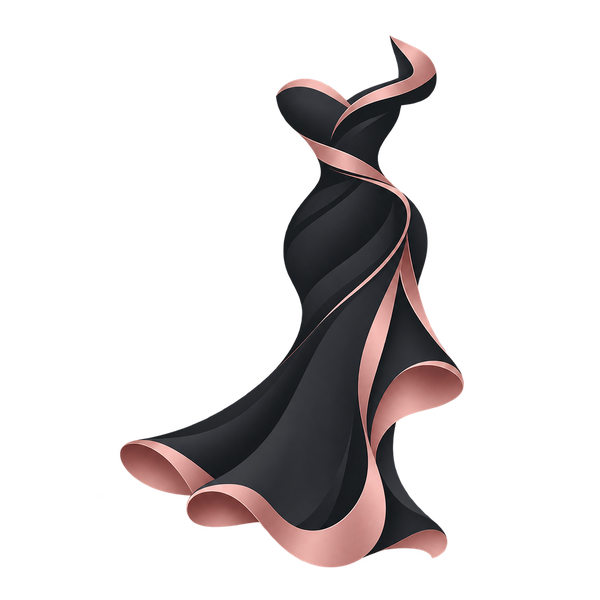
- Sheath: A fitted dress or skirt that follows the natural waistline and narrows towards the hem, creating a sleek, body-hugging look.
- Ballgown: Characterized by a fitted bodice and a very full, voluminous skirt, typically extending to the floor.
Fit Descriptions
- Slim Fit: A cut that is narrower than a regular fit but not as tight as a skinny fit, offering a modern, tailored look.
- Relaxed Fit: A looser cut designed for comfort, providing more room around the body without being oversized.
- Oversized: Intentionally large and baggy, creating a dramatic or casual silhouette.
- Tailored: Garments that are precisely cut and constructed to fit the body's shape, often featuring darts or seams for definition.
Garment Types and Styles
This category covers specific types of clothing and the aesthetic categories they fall into.
Key Garment Styles
- Blazer: A type of jacket resembling a suit jacket but cut more casually. It can be worn with trousers, skirts, or even jeans.
- Trench Coat: A classic double-breasted raincoat, typically made of waterproof heavy-duty cotton gabardine, belted at the waist.
- Chinos: Trousers made of cotton twill, similar to dress pants but with a more casual appearance.
- Jumpsuit: A one-piece garment combining a top and trousers.
- Maxi Dress: A full-length dress, typically casual in style.
Aesthetic Styles
- Bohemian (Boho): Characterized by flowing fabrics, earthy colors, ethnic prints, and a free-spirited, artistic vibe.
- Minimalist: Focuses on clean lines, neutral colors, simple silhouettes, and a lack of excessive ornamentation.
- Athleisure: Blends athletic wear with everyday casual wear, prioritizing comfort and functionality.
- Classic: Timeless, elegant styles that transcend fleeting trends, often featuring well-tailored pieces and neutral palettes.
Construction and Details
These terms refer to the way a garment is made and specific design elements.
- Drape: How a fabric hangs and falls from the body. A good drape is often associated with fluidity and elegance.
- Dart: A stitched fold in fabric that shapes the garment to the curves of the body, commonly found in bodices and waistlines.
- Grosgrain: A type of ribbon or fabric with a ribbed texture, often used for trims or hatbands.
- Lapel: The folded flap of cloth on the front of a jacket or coat, below the collar.
- Pleat: A fold in fabric, pressed or stitched in place, used for decoration or to add fullness.
Understanding is Key
By familiarizing yourself with these basic fashion terms, you equip yourself with the language needed to shop with greater confidence and clarity. This knowledge helps in identifying what you're looking for, understanding product descriptions, and making purchases that align with your style and needs. It demystifies fashion and empowers you to curate a wardrobe that truly reflects your personal aesthetic.
Related reading
- The Beginner’s Guide to Shopping Secondhand: Finding Fashion Treasures
- Understanding Clothing Silhouette: How Cuts Shape Your Style
- Understanding Fabric Textures: How They Influence Outfit Appearance and Feel